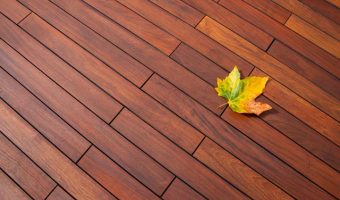
In the world of premium woodworking and construction, few conversations are more common – or more misleading – than the simple request for “top grade” lumber. Whether the species is Teak, Mahogany, or Cherry, the exchange often starts and ends with grade, dimensions, and volume.
But seasoned builders, yacht manufacturers, millwork shops, and architectural woodworkers know the truth: grade is just the beginning.
For companies building custom yachts, crafting luxury doors, producing heirloom-quality furniture, or constructing high-end homes, wood is not merely a commodity – it is the visible signature of craftsmanship. That’s why successful lumber procurement requires far more than ordering by grade alone. It demands clarity, collaboration, and a supplier who understands the final application as well as the specifications on paper.

Grade Is a Baseline – Not a Guarantee
Industry grading systems were developed to create a common language between buyers and sellers. They provide structure and consistency, but they were never intended to predict the final appearance or performance of wood in a finished project.
When someone requests “A grade” or even a recognized upper-tier classification, that designation typically refers to measurable characteristics such as clear cutting yields or allowable defects. It does not automatically account for:
- Grain orientation
- Heartwood percentage
- Color consistency
- Figure or pattern
- End-use requirements
- How boards relate to one another in a completed installation
In other words, two boards can meet the same grade standard yet look dramatically different when installed side by side.
For businesses working in luxury markets – such as custom yacht decks, architectural paneling, boardroom tables, or statement entry doors – these differences matter. A technically compliant board that visually disrupts a space is not truly acceptable material.
Every Species Has Its Own Personality
Wood is organic. It grows in varying climates, soils, and conditions. No two trees – and often no two boards – are identical.
Take Teak, for example. Its natural oils, durability, and golden-brown hue make it a prized choice for marine applications and upscale exterior work. But freshly milled Teak can vary significantly in color. Exposure to sunlight or controlled oxidation is often necessary to achieve the uniform tone that designers and yacht builders expect.
Mahogany presents its own variables in grain and density. Cherry is known for dramatic darkening over time. Even within a single species, region of origin can influence color, grain tightness, and stability.
A grading stamp does not account for these nuances.
That’s why the conversation must go deeper:
- Will the material be exposed to UV?
- Is it interior or exterior?
- Will it be planed, molded, or resawn?
- Does the project demand tight color matching?
- Is vertical grain, rift sawn, or quartersawn material required?
Without these details, even high-grade lumber can create frustration, waste, and costly delays.

Cut & Grain Orientation Matter More Than Many Realize
For manufacturers of wood yachts, architectural millwork, and high-end furniture, grain orientation is often as important as species selection.
Rift sawn and quartersawn boards provide stability and linear grain aesthetics ideal for modern interiors and exterior cladding. Vertical grain material may be critical for door stiles or exterior trim. Flat sawn boards may be preferred for bold cathedral patterns in feature walls or tabletops.
Standard grading rules do not prioritize these distinctions unless specifically requested.
When projects require visual symmetry – such as center-matched paneling or continuous grain flow across cabinetry – lumber must be selected and organized with the final layout in mind. That level of intentionality goes far beyond simply ordering by width, length, and grade.

Color Matching: The Hidden Variable
One of the most overlooked challenges in lumber procurement is color matching across an entire job.
In a warehouse pack of lumber, natural color variation is expected. In a luxury interior, it can be unacceptable.
Consider a corporate boardroom wrapped in Teak paneling or a multi-million-dollar residence featuring exposed Douglas Fir beams. If one beam or panel falls outside the desired color range, it will draw the eye immediately.
Matching color across a project often requires additional sorting, culling, and sometimes even staging material for oxidation or sun exposure before shipment. This process requires time, labor, and clear expectations.
Without a detailed conversation upfront, the result can be:
- Excess material rejected on site
- Unplanned reorders
- Installation delays
- Tension between contractor and client
When material costs are high – as they are with premium hardwoods – waste is more than inconvenient. It is expensive.

Dimensions & Yield: Planning Beyond the Board Foot
An order might specify 800 board feet at a minimum 6-inch width and 12-foot length. On paper, that seems clear. In practice, it raises important questions.
Does every board truly need to be 12 feet long?
Can shorter lengths be used in combination?
What is the expected waste factor during milling?
Will defects be cut around?
Is overage built into the estimate?
A board that measures 6 inches wide and 12 feet long may technically meet the spec, but if only a portion of that board yields usable, appearance-grade material after machining, the real yield could fall short of expectations.
Sophisticated buyers recognize that board footage alone does not equal usable footage. Understanding the intended cut list and production process allows a knowledgeable supplier to recommend practical solutions that minimize waste while meeting aesthetic goals.

When “Top Grade” Isn’t Enough
In today’s market, nearly every buyer requests premium material. Yet “top grade” can mean different things to different stakeholders.
To a grading association, it may mean maximum clear cutting yield.
To a manufacturer, it may mean tight grain and uniform color.
To an architect, it may mean visual consistency across an entire elevation.
To the end client, it may simply mean “no surprises.”
These definitions are not interchangeable.
That’s why a supplier relationship must be consultative rather than transactional. The most successful projects begin with questions, not just quotes.

The Cost of Specificity – And Why It Pays
There is no denying that highly selective material costs more. Sorting for consistent color, specific grain orientation, higher heartwood content, or uncommon dimensions requires additional labor and inventory management.
However, compare that premium against:
- Lost production time
- On-site installation delays
- Return freight
- Damaged client relationships
- Compromised final appearance
In nearly every case, investing in clarity and selectivity at the front end protects profitability at the back end.
For manufacturers of custom yachts, luxury millwork, and architectural features, reputation is built on detail. Lumber that fails to meet visual expectations can undermine months of craftsmanship.

Collaboration Is the Competitive Advantage
The most effective lumber transactions are not simple exchanges of volume and price. They are collaborations centered around end use.
This is where experience matters.
At J. Gibson McIlvain Co., conversations routinely extend beyond grade and footage. Understanding the intended application – whether it’s marine decking, architectural paneling, bespoke cabinetry, or structural timber framing – allows for thoughtful material selection.
That may include:
- Recommending specific cuts for stability
- Advising on expected color change over time
- Coordinating lead time for oxidation or acclimation
- Suggesting alternative species when specifications are unrealistic
- Helping calculate practical overage
In some cases, the ideal solution may differ from the original request. Supply realities, log availability, or dimensional limitations can make certain specifications impractical. A transparent conversation early in the process prevents costly surprises later.

The Modern Reality of Wood Supply
Global supply chains, environmental regulations, and responsible forestry practices have changed the hardwood landscape. Not every width, length, or visual characteristic is consistently available at any time.
Gone are the days when one could assume that any dimension or aesthetic was readily sourced without discussion.
Yet, with clear expectations and realistic timelines, remarkable results are still possible. Builders and manufacturers who engage early with knowledgeable suppliers gain flexibility and creative options that others miss.

Ask More. Expect More.
For businesses that rely on premium wood, purchasing lumber should never be treated as a routine task. It is a strategic decision that affects cost, schedule, craftsmanship, and client satisfaction.
The next time you prepare to order material, consider expanding the conversation:
What exactly does “top grade” mean for this project?
How will the boards be processed?
What level of color uniformity is required?
Is grain orientation critical?
What waste factor should be anticipated?
Are there timing considerations for color development?
These questions may add time to the ordering process – but they reduce risk everywhere else.
In high-end woodworking and construction, the difference between acceptable and exceptional often comes down to details invisible on a purchase order.
Grade matters. Species matters. Dimensions matter.
But understanding the project – that’s what truly determines success.
For manufacturers, builders, and craftsmen who cannot afford surprises, working with a supplier who asks the right questions is not just helpful – it’s essential.
Editor Note: A; C.