Forests are living, dynamic systems that provide critical services: clean water, carbon storage, habitat for countless species, timber for shelter and industry, and cultural and recreational benefits. Proper forest management recognizes these multiple values and intentionally guides how forests are stewarded to sustain both ecological integrity and human needs. When applied thoughtfully, management can enhance biodiversity, reduce risk of catastrophic disturbances, support local economies, and keep forests resilient in a changing climate. Conversely, a policy of complete non-intervention – where no trees are harvested and all areas are left to “let nature take its course” – may seem intuitively beneficial to conservation but can produce unintended and sometimes severe consequences for ecosystems and people.
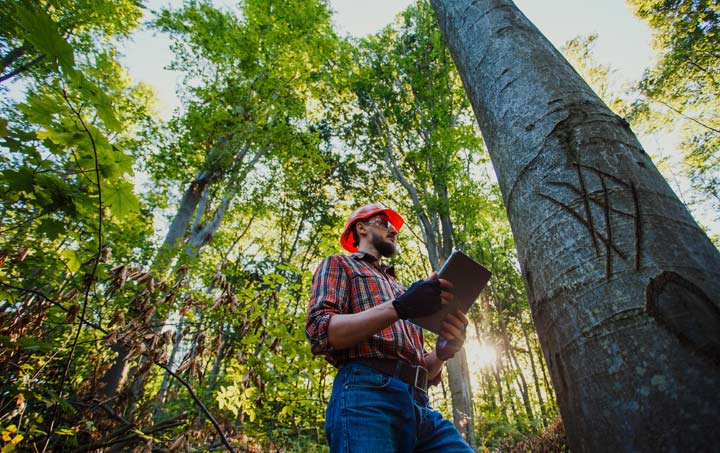
A primary benefit of active, sustainable forest management is the reduction of fuel loads and the prevention of high-severity wildfires. Many forest types, especially in temperate and Mediterranean climates, developed over time with frequent, low-intensity fires that removed undergrowth and small trees. Fire suppression over decades, combined with dense regeneration after logging or other disturbances, has often left forests unnaturally crowded with ladder fuels that allow fire to climb into crowns. Strategic thinning, prescribed burning, and selective harvesting mimic historical disturbance regimes and keep forests structurally diverse. This lowers the likelihood of crown fires that can devastate entire watersheds, emit massive amounts of carbon, and destroy habitats that took centuries to form.

Proper management also supports biodiversity by maintaining a mosaic of habitat types and successional stages. Not all species thrive in old-growth, closed-canopy forests; many depend on early-successional areas, open meadows, or the patches created by disturbance. Targeted harvesting and restoration can recreate these conditions at scales and frequencies that modern landscapes no longer experience naturally due to habitat fragmentation and human alteration. In addition, active management helps control pests and disease outbreaks – situations where dense, homogeneous stands are particularly vulnerable to bark beetles, fungal pathogens, or invasive insects. Removing susceptible trees and promoting species and age-class diversity increases overall forest resilience.

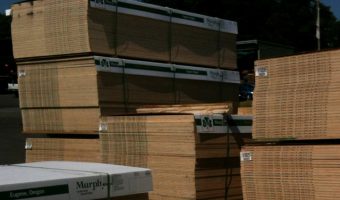
From a climate perspective, the role of harvested wood products and managed forests is important. Wood is a renewable material with a lower carbon footprint than steel, concrete, and many plastics when sourced sustainably. Harvested wood used in long-lived products stores carbon while substituting for more emissions-intensive materials. Moreover, the carbon dynamics of forests are complex: a balanced program of harvest, regrowth, and product use can maintain a steady or growing carbon sink, while preventing the large, abrupt carbon emissions that can occur during major wildfires or pest-driven die-offs. Conversely, leaving all forests untouched does not guarantee maximum carbon storage in the long term if those forests become more susceptible to large-scale disturbances.

Economic and social benefits of management should not be overlooked. Sustainable forestry supports rural economies, supplies raw materials for housing and manufacturing, and funds conservation through timber revenues and stewardship programs. Well-managed forests provide jobs in harvesting, milling, restoration, and recreation management. They also create opportunities for community-based forestry and the incorporation of traditional ecological knowledge, enhancing social resilience and cultural connections to the land.

That said, the notion of “letting nature take its course” has an important place in conservation strategy, especially within strictly protected reserves and wilderness areas where non-intervention can allow ecosystems to evolve without human influence. In such contexts, non-interference can benefit species that require long-term continuity and undisturbed processes. The key is scale and context: a mosaic that blends protected non-intervention zones with actively managed landscapes yields the greatest overall benefit, providing a place of refuge for sensitive species while using management elsewhere to reduce risk and meet human needs sustainably.

If society adopted a blanket policy of no harvesting or active stewardship, several negative outcomes are likely. Fuel accumulations would increase the probability of catastrophic fires that could convert forests to shrubland or grassland, releasing large amounts of stored carbon and reducing biodiversity. Pest and pathogen outbreaks could cause widespread mortality in homogeneous stands, followed by erosion, sedimentation of streams, and degradation of water quality. Economically, communities that depend on forestry would suffer, increasing pressure to exploit other lands or resort to illegal logging that is often more destructive. Socially, the disconnect between people and the land could grow, eroding traditional practices that historically maintained diverse, resilient landscapes.

In short, proper forest management is not about dominating nature but partnering with ecological processes. It is a suite of tools – selective harvesting, prescribed fire, restoration planting, invasive species control, and protected areas – used thoughtfully and locally to maintain forest health, support biodiversity, sequester carbon effectively, and provide wood and non-timber products for human society. Complete non-intervention has its place in carefully chosen areas, but as a universal policy it risks increasing vulnerability to fire, pests, and ecosystem transformation, and it foregoes the social and material benefits forests can provide when stewarded sustainably. The best path forward is a balanced landscape where conservation and sustainable use work together to keep forests thriving for generations.
Editor Note: A; C.