
Ipe wood, scientifically known as Tabebuia serratifolia, is a dense, durable hardwood that originates from the tropical forests of Central and South America. Often lauded for its exceptional strength and natural beauty, Ipe has earned its place in the construction and woodworking world. It is highly valued for its resilience in outdoor environments, making it an ideal material for decking, flooring, furniture, and even boardwalks. While Ipe’s popularity is growing, there are still many lesser-known aspects of this remarkable wood. Let’s explore some of the most intriguing and less talked-about facts about Ipe wood.

1. Ipe’s Unique Botanical Heritage
Ipe wood is derived from Tabebuia serratifolia, a species of flowering tree native to the rainforests of South America, particularly in countries such as Brazil, Peru, Colombia, and Venezuela. This tree belongs to the Bignoniaceae family, a group of plants known for their vibrant flowers. In fact, the Tabebuia genus is well-known for species like the Pink Trumpet Tree (Tabebuia rosea), which is celebrated for its ornamental beauty. Despite its floral beauty, our focus here is on the serratifolia variety, which yields the prized Ipe hardwood.
The name Ipe itself is derived from the Tupi-Guarani language, a native language group in Brazil, where Ipe refers to the wood of the tree. This linguistic connection highlights Ipe’s deep cultural and ecological significance in the regions where it grows.

2. A Density That Defies Comparison
One of the most remarkable characteristics of Ipe wood is its density. In fact, Ipe is one of the densest hardwoods in the world. The specific gravity of Ipe ranges from 1.1 to 1.4, making it incredibly dense and resistant to wear and tear. This density also contributes to its remarkable weight. Ipe wood can weigh as much as 70 pounds per cubic foot, which is significantly heavier than many other hardwoods like Oak or Maple.
The dense nature of Ipe contributes to its incredible durability, particularly when exposed to the elements. Unlike many other woods, Ipe is not prone to warping, shrinking, or cracking, even under extreme temperature fluctuations or moisture exposure. This makes it an ideal material for outdoor applications such as decking, boardwalks, and even marine environments where the wood may come into contact with water.

3. Natural Resistance to Pests
One of the most practical, yet lesser-known features of Ipe wood is its natural resistance to pests. The wood contains natural oils and compounds that make it highly resistant to termites, ants, and other wood-boring insects. These oils act as a natural deterrent, which makes Ipe a desirable option for outdoor structures, particularly in regions where insect infestations are a concern.
In fact, Ipe’s resistance to pests is so strong that it is often used in places where chemical treatments to prevent infestation would be undesirable. The inherent pest-repelling properties of Ipe make it a sustainable and eco-friendly choice, as it reduces the need for toxic chemicals that can harm the environment.

4. Ipe’s Fire Resistance
Although not often highlighted, Ipe wood possesses a remarkable degree of fire resistance. The dense, oily composition of the wood helps it withstand flames better than many other types of wood. Ipe has been classified as a Class A fire-rated wood, meaning it has a low flame spread and smoke development index. This makes it an excellent choice for outdoor structures like fire-resistant decking or homes in wildfire-prone areas.
The fire-resistant properties of Ipe have been studied and recognized by various safety organizations, adding to its appeal in fire-sensitive environments. The wood does not combust easily and burns at a slower rate than many other soft and hardwood species, providing a greater window for escape in case of a fire.

5. The Sustainability Debate
Sustainability is an important consideration when it comes to harvesting any natural resource, and Ipe wood is no exception. Historically, the demand for Ipe has raised concerns regarding overharvesting and the destruction of tropical rainforests. However, in recent years, there has been a shift towards more sustainable practices.
Ipe is now often harvested through responsible forestry management programs, particularly through the Forest Stewardship Council (FSC) certification. FSC-certified Ipe ensures that the wood is harvested sustainably, preserving biodiversity and the health of the forests. Additionally, many countries in South America, including Brazil, have implemented stricter regulations and monitoring systems to curb illegal logging practices and promote sustainable use of Ipe.
Despite these efforts, it is still important for consumers to ensure they are purchasing Ipe from reputable sources like J. Gibson McIlvain that adhere to sustainable and ethical harvesting practices. The growing awareness of environmental issues means that demand for sustainably sourced Ipe is rising, which could contribute to better long-term management of this precious resource.

6. A Rich Spectrum of Color
Another fascinating aspect of Ipe wood is its beautiful color range. While the wood is typically known for its deep brownish hues, Ipe actually presents a wide spectrum of colors that can vary based on its origin, age, and specific tree. Freshly cut Ipe can display rich tones of reddish-brown, golden-brown, or dark brown with hints of purple or olive green. As the wood ages, it can weather to a silvery-gray patina, similar to the effect seen in Teak wood.
The wood’s natural oils give it a smooth, polished look, and over time, it can develop a beautiful, weathered charm. For those who wish to preserve the wood’s rich color, it is recommended to regularly treat the wood with UV-blocking oils or sealers.

7. Ipe’s Potential as a Carbon Sink
While many focus on Ipe’s physical attributes, it’s worth noting that it also plays a role in carbon sequestration. As with all trees, Tabebuia serratifolia absorbs carbon dioxide during its growth cycle, storing it within its wood. The dense and durable nature of Ipe means that when the wood is used in construction, it can store carbon for many years, potentially helping to mitigate climate change by keeping the carbon locked away in building materials.
However, it’s essential to weigh this benefit against the environmental impact of transportation and harvesting. The carbon footprint of shipping Ipe from the Amazon rainforest to global markets can be significant, which is why sourcing Ipe through sustainable practices can reduce its environmental impact.

8. Ipe’s Use in Traditional Medicine
Beyond its use in woodworking and construction, the Ipe tree has also been utilized in traditional medicine in parts of South America. The bark of Tabebuia serratifolia has been used by indigenous peoples for centuries to treat various ailments, including infections, fever, and even cancer. Known as “pau d’arco” or “ipê roxo,” the bark is believed to have powerful antimicrobial and anti-inflammatory properties.
Modern scientific research has begun to explore the medicinal potential of Ipe bark, especially in relation to its antioxidant and antimicrobial effects. However, it is important to note that while the traditional uses of Ipe bark are recognized in some cultures, further research is required to confirm the full extent of its medical benefits.
9. A Timeless Investment
Finally, one of the lesser-discussed aspects of Ipe wood is its financial value. Due to its density, durability, and aesthetic appeal, Ipe is often seen as a high-end material. As demand continues to grow, the price of Ipe has steadily increased, making it a potentially lucrative investment for those in the construction or woodworking industries.
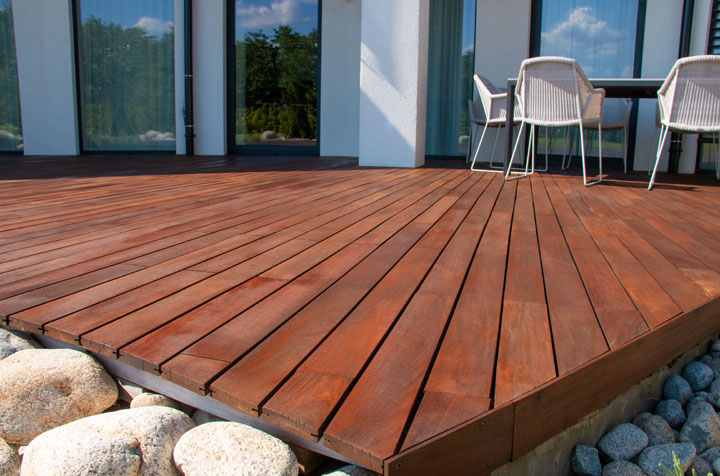
Because of its ability to withstand weather, pests, and fire, Ipe decking, for instance, can often last 25 years or more with minimal maintenance, making it a cost-effective choice in the long term despite the higher initial price point.

Ipe: A Remarkable Wood
Ipe wood, or Tabebuia serratifolia, is a remarkable and multifaceted material that offers much more than meets the eye. From its extraordinary density and resistance to pests, to its fire-resistance and rich aesthetic appeal, Ipe continues to captivate builders, architects, and woodworkers worldwide. The tree’s ecological importance, coupled with its potential in traditional medicine, adds further layers to its significance beyond the world of construction.
As with any natural resource, it is essential to approach Ipe with respect and mindfulness of its sustainability. However, with responsible harvesting practices and awareness of the wood’s potential, Ipe can remain a prized material for many generations to come.
Editor Note: A; C.


