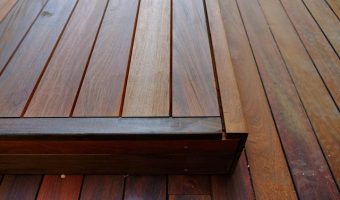
A well-built deck can transform an outdoor space into a natural extension of the home. Whether it’s used for entertaining, relaxing, or enjoying the outdoors, a deck becomes one of the most valuable and heavily used areas of a property. Yet many decks begin to deteriorate after just 10–15 years due to poor material choices, improper installation, or lack of planning.
Building a deck that lasts a lifetime requires more than simply assembling boards and fasteners. Long-term durability comes from thoughtful design, premium materials, expert craftsmanship, and proper maintenance. By focusing on these fundamentals, homeowners, architects, and builders can create an outdoor structure that remains beautiful and functional for decades.
Below are the key principles behind constructing a deck that truly stands the test of time.

Start with a Thoughtful Design
Longevity begins with good design. A deck should be planned with both structural integrity and environmental conditions in mind.
Consider how the deck will be used. Will it support heavy furniture, outdoor kitchens, or large gatherings? These factors affect the size of joists, beam spacing, and structural supports. Additionally, consider the sun exposure, drainage patterns, and climate conditions of the property.
Proper drainage is especially important. Water that becomes trapped on or beneath the deck accelerates deterioration and encourages mold or rot. Designing the deck with slight spacing between boards, adequate ventilation underneath, and proper grading around the structure helps prevent moisture problems.
A well-designed deck also considers accessibility for maintenance. Boards that can be individually replaced and accessible framing components make long-term upkeep far easier.

Choose High-Quality Structural Framing
While the visible deck boards receive the most attention, the underlying structure determines how long the deck will last.
Most decks use pressure-treated lumber for the framing, including posts, beams, and joists. Modern pressure-treated lumber provides resistance to rot and insect damage, but proper installation remains essential. Fasteners should be corrosion-resistant, and structural connectors should meet building code requirements.
Spacing is another critical factor. Joists that are spaced too far apart can lead to sagging or bouncing over time. Proper spacing ensures that deck boards remain stable and evenly supported.
In high-end or long-term installations, some builders also protect framing components with joist tape or moisture barriers. These products prevent water from collecting on the top edges of joists, which is one of the most common causes of premature framing deterioration.
Select a Decking Material Built for Longevity
The decking surface is what homeowners see and interact with every day, and the choice of material has a significant impact on lifespan.
Many traditional decks use pressure-treated pine. While it is widely available and economical, it typically requires frequent maintenance and may only last 10–20 years before significant repairs or replacement are needed.
Composite decking has grown in popularity due to its low maintenance requirements. However, some composite products can fade, scratch, or degrade over time, especially in areas with intense sun exposure.
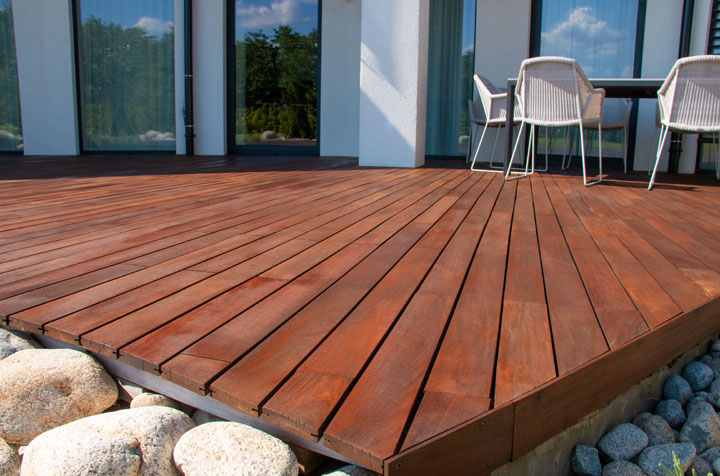
For the longest lifespan and natural beauty, many builders and architects choose tropical hardwood decking such as Ipe. Known for its exceptional density and durability, Ipe is naturally resistant to insects, rot, and moisture. When properly installed, an Ipe deck can last 40–75 years or longer, making it one of the most durable decking materials available.
Beyond durability, hardwood decking also provides a timeless appearance with rich color variation and tight grain patterns that age gracefully over time.

Use Proper Fasteners & Hardware
The fasteners used in a deck are just as important as the wood itself. Low-quality hardware can corrode, loosen, or stain the wood over time.
For hardwood decking, stainless steel fasteners are typically recommended. Because dense hardwoods expand and contract differently than softer woods, high-quality screws designed specifically for hardwood installation help prevent splitting and ensure a secure hold.
Many builders also use hidden fastening systems for hardwood decking. These systems create a clean surface appearance while allowing the wood to move naturally with seasonal changes.
Structural hardware should also be corrosion-resistant. Galvanized or stainless steel brackets, joist hangers, and connectors help ensure the deck remains structurally sound for decades.

Install with Precision & Care
Even the best materials will fail if they are installed incorrectly. Proper installation techniques are critical for creating a deck that lasts a lifetime.
Hardwood decking requires pre-drilling to prevent splitting, as well as precise spacing between boards to allow for expansion and drainage. Consistent spacing also helps water flow off the deck surface rather than pooling.
Alignment and leveling during installation also matter. Uneven framing or improperly secured boards can create weak points that worsen over time.
Professional installers experienced with dense hardwood decking understand these nuances and use specialized tools and techniques to ensure optimal results.

Plan for Ventilation & Moisture Control
Moisture is the primary enemy of outdoor structures. Even durable materials can deteriorate if they remain constantly wet.
Proper airflow beneath the deck allows moisture to evaporate and prevents mold or mildew growth. Decks built too close to the ground often trap humidity and accelerate decay.
Ventilation gaps, elevated framing, and open board spacing all contribute to a healthier structure. In climates with heavy rainfall or snow, ensuring that water drains quickly from the deck surface is especially important.
Builders sometimes incorporate drainage systems beneath elevated decks to direct water away from the structure and the home’s foundation.

Protect the Deck from Environmental Stress
Outdoor structures are constantly exposed to sunlight, temperature fluctuations, and moisture. Over time, these factors can cause wood to weather and change color.
Many hardwood decks are left unfinished so they can naturally develop a silver-gray patina. Others are treated with penetrating oil finishes to preserve the wood’s original color.
Either approach can work well, but regular cleaning helps prevent buildup of dirt, pollen, and mildew that may affect appearance.
In areas with heavy snowfall, it is also important to avoid using harsh metal shovels that can scratch or gouge the deck surface. Plastic tools or brooms are typically safer options.

Commit to Simple, Routine Maintenance
Even the most durable deck benefits from occasional maintenance. Fortunately, long-lasting materials like tropical hardwoods require relatively minimal upkeep.
Annual cleaning with mild soap and water helps remove debris and maintain the deck’s appearance. If maintaining the rich color of hardwood decking is desired, applying a protective oil finish once or twice a year can help preserve its natural tone.
Regular inspections are also valuable. Checking for loose fasteners, minor board movement, or debris accumulation allows small issues to be corrected before they become larger problems.
Compared to the frequent staining and sealing required by softer woods, hardwood decks typically demand far less ongoing effort.

Build with the Future in Mind
A deck that lasts a lifetime is the result of thoughtful decisions at every stage of the project. From design and material selection to installation and maintenance, each step contributes to the overall durability of the structure.
Investing in high-quality materials, experienced craftsmanship, and proper structural planning ensures that the deck will not only perform well today but continue to provide enjoyment for decades.
For homeowners seeking a timeless outdoor space, tropical hardwood decking offers a rare combination of strength, beauty, and longevity. When paired with careful construction and simple maintenance, it becomes possible to create a deck that truly lives up to the goal of lasting a lifetime.