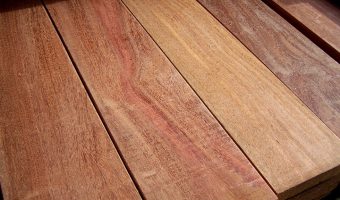
Ipe wood, also known as Brazilian Walnut, is a beautiful and durable hardwood highly valued for its density, strength, and resistance to insects and decay. Harvesting Ipe wood is a complex process, and it’s important to perform it responsibly to ensure sustainability and to prevent environmental damage.
Here’s a step-by-step guide to the Ipe wood harvesting process:
1. Identifying Mature Trees
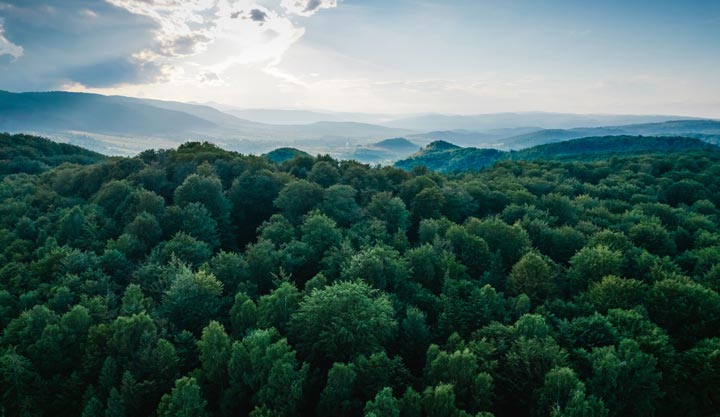
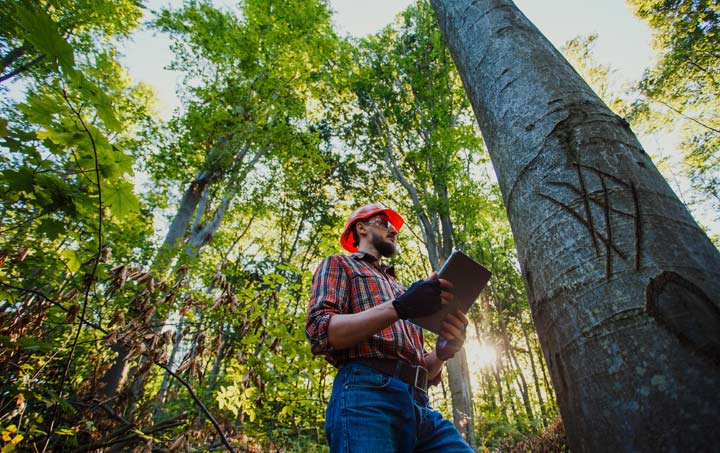
Ipe trees typically grow in South American rainforests, especially in Brazil, and the trees when grown can attain a height of 95-130 feet. Harvesters must first identify mature trees that are suitable for felling. Ideal Ipe trees for harvesting are generally trees at least 50 years old; this ensures that they’ve had plenty of time to develop the highly desirable properties which Ipe lumber is well known for.

2. Marking Trees
After identifying suitable trees for harvesting, the next step involves marking them. This practice ensures that only carefully selected trees are felled, avoiding unnecessary deforestation and promoting sustainable practices. Younger, less mature Ipe trees are left to continue growing within the forest and will be harvested at a future point in time. New Ipe saplings are then planted where the mature trees had been removed.
3. Harvesting
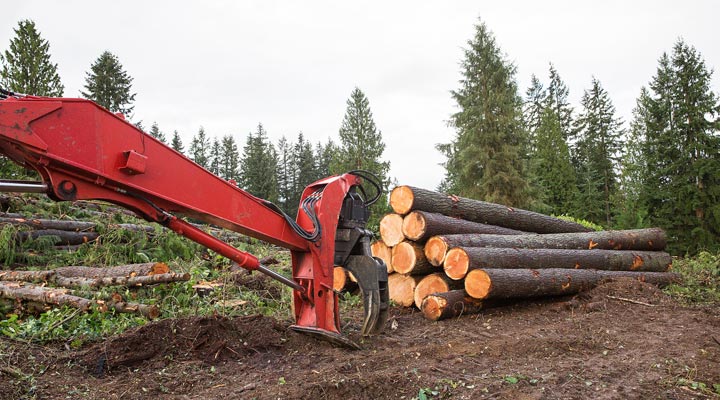
Once the Ipe trees have been marked, the actual logging or tree felling can begin. The goal is to drop the tree with as little damage to the log – and the surrounding forest – as possible. Harvesters aim to fell the tree in the direction it’s already leaning, using chainsaws or similar equipment. On lumber plantations or in carefully managed forests where there is adequate space between each tree, modern log harvesting equipment is frequently used for efficient bulk lumber operations.
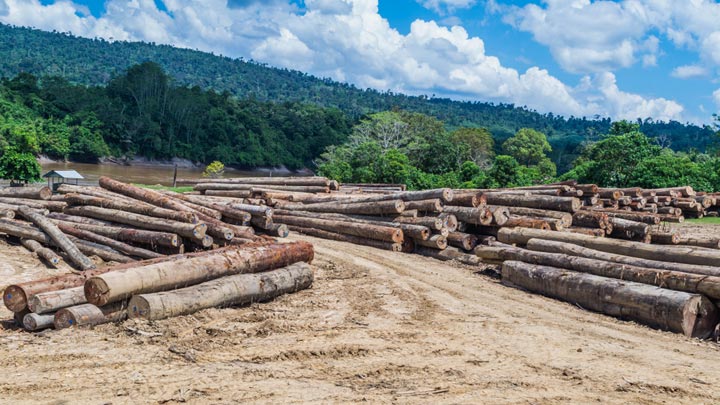
4. Limbing & Bucking
After the Ipe tree has been felled, it goes through the process of limbing and bucking. Limbing involves removing all of the branches from the tree, while bucking is the process of cutting the trunk into logs of usable lengths that are then more manageable for transport. Some lumber harvesting operations will then grind the small branches in a wood chipper, outputting a mulch-like blanket to enrichen the forest floor.

5. Hauling & Transporting
Using heavy machinery, the harvested logs are then hauled away from the forest. They’re typically loaded onto lumber trucks or large lumber tractors and transported to a local mill or export point. Since Ipe is typically sourced within rain forests, Ipe logs must usually be transported during the drier season or else heavy trucks and equipment will get mired down in the mud.
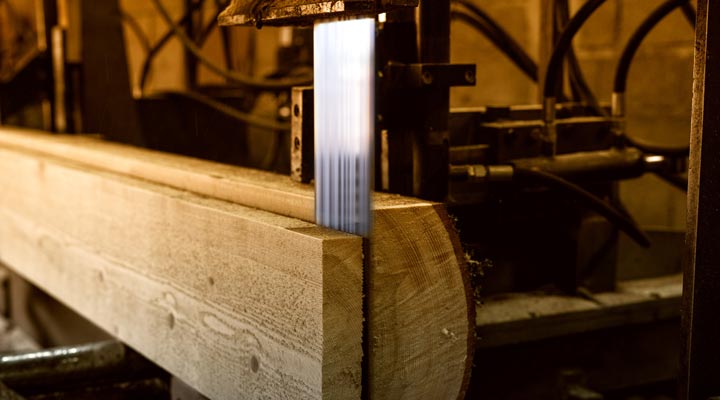
6. Processing
Once the Ipe wood reaches the mills, it’s processed into lumber. The bark of the Ipe tree is first removed, and then each log is sawed into planks. To reduce the moisture content and enhance the wood’s durability, these planks are then carefully dried through being stacked in the sun (or in covered storage buildings) with spacers between boards to permit sufficient airflow. An even higher level of wood dryness can then be obtained when the Ipe boards are thoroughly dried in heated kilns.
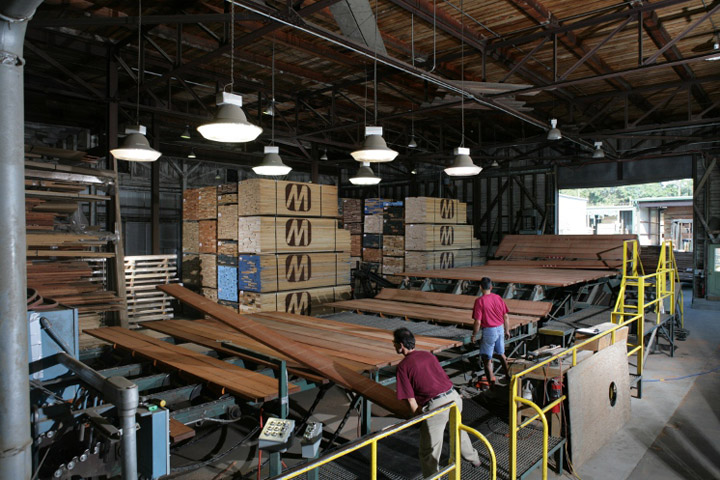
7. Grading & Sorting
The final step in the process is grading the lumber according to quality and sorting it into various categories. The highest quality Ipe wood could be used for decking and furniture, whereas the lower grades might be used for industrial purposes.
Note: Harvesting Ipe wood must be done responsibly in order to prevent significant environmental harm. This includes replanting trees and managing forests carefully to preserve biodiversity. Always look for FSC (Forest Stewardship Council) certified suppliers if you are sourcing Ipe, as this indicates that the lumber has been harvested responsibly.